- 31.08.2026 |
- Por: host
The role of luck versus skill in casino gaming
The Allure of Risk and Reward
The psychology of casino games is deeply rooted in the allure of risk and reward. People are naturally drawn to the thrill of uncertainty—placing bets that could lead to significant gains or losses. This psychological phenomenon is often linked to the excitement of gambling, where players experience an adrenaline rush that can feel addictive. The anticipation of winning, even if the odds are stacked against them, keeps players engaged and returning for more, which is why many enjoy platforms like 1win that fuel the very essence of gambling behavior. This interplay between risk and potential reward is what makes the experience so enticing and captivating for many.
Studies have shown that when players experience risk, their brains release dopamine, a neurotransmitter associated with pleasure and reward. This biochemical response can create a cycle where players seek out that rush repeatedly. The design of casino games taps into this aspect of human psychology, offering immersive experiences that heighten emotions. The flashing lights, engaging sound effects, and the atmosphere of excitement amplify this risk-reward balance, making it difficult for players to resist the temptation of trying their luck again. The environment is engineered to stimulate this response, ensuring that the thrill of gambling is always present.
Moreover, this allure is often enhanced by the illusion of control. Players may believe they can influence outcomes through their decisions or strategies, leading to an increased sense of agency. Casinos capitalize on this by promoting games that appear skill-based, like poker or blackjack, where players’ choices seem to affect the result. This illusion can be powerful, drawing individuals into a false sense of security that keeps them engaged longer than they intended. The combination of risk and perceived control creates a compelling reason for players to return, as they chase the highs of both victory and the exhilarating unpredictability of the game.
The Role of Cognitive Biases
Cognitive biases play a significant role in how individuals approach casino games. One such bias is the gambler’s fallacy, where players mistakenly believe that past results can influence future outcomes. For example, if a slot machine hasn’t paid out in a while, players may think it’s “due” for a win. This irrational belief can lead to increased bets, as individuals chase losses or ride the wave of a perceived winning streak, illustrating how cognitive distortions shape gambling behavior. The persistence of such biases can lead to poor decision-making, as players ignore the statistical realities of the games.
Another prevalent bias is the illusion of invulnerability, where players believe they are less likely to experience a loss compared to others. This misconception can lead individuals to take greater risks, often overlooking the inherent probabilities associated with gambling. Casinos are aware of these biases and often structure their games and promotions in ways that exploit them, making it easier for players to justify their choices and continue playing, even when it may not be in their best financial interest. This manipulation of perception enhances the gambling experience, but it can also lead to significant financial consequences for the players.
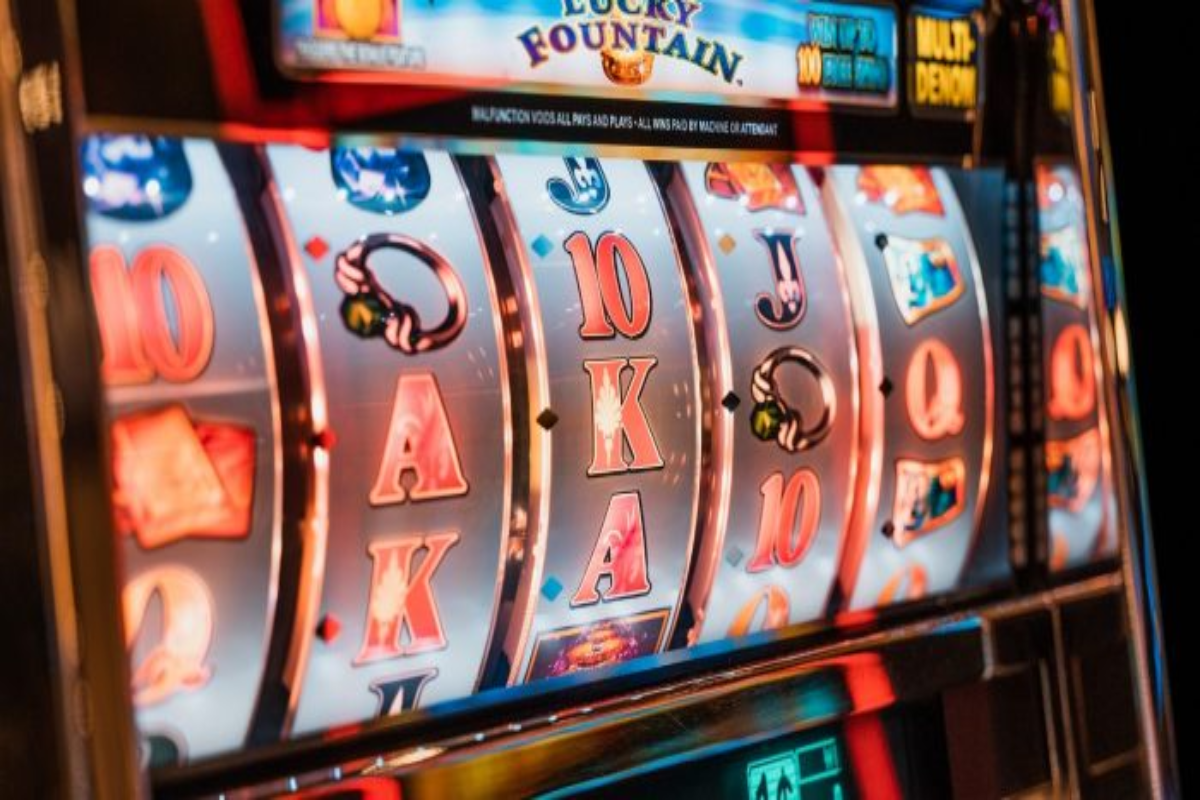
Additionally, confirmation bias affects how gamblers process information about their experiences. Players tend to remember their wins more vividly than their losses, reinforcing the belief that they are skilled or lucky. This selective memory can create a distorted perception of reality, leading gamblers to believe they are on a winning streak or have a foolproof strategy. Such cognitive biases create a breeding ground for continued gambling, making it a cyclical pattern that is hard to break. Understanding these biases can help players recognize the irrationality in their thought processes and make more informed choices.
The Environment of the Casino
The design and environment of casinos are meticulously crafted to enhance player engagement and prolong the gambling experience. From the moment individuals step inside, they are enveloped in a sensory-rich atmosphere filled with stimulating sights and sounds. Bright colors, vibrant lights, and the constant chime of slot machines create an almost euphoric environment, activating the brain’s reward centers and enticing players to stay longer. This carefully curated ambiance is intentional, as it plays a crucial role in the psychological appeal of gambling.
The layout of a casino is also strategic, often designed to encourage players to explore and gamble more. Games are positioned to draw in foot traffic, and the absence of clocks or windows creates a timeless environment, eliminating players’ awareness of how much time has elapsed. This design choice can lead to extended gambling sessions, where individuals may lose track of their spending or the passage of hours as they become engrossed in the excitement of the games. The lack of external cues allows players to immerse themselves completely in the gaming experience, often leading to impulsive decisions.
Furthermore, casinos often utilize complimentary services, known as “comps,” to encourage further play. Free drinks, meals, and even accommodation create a sense of loyalty and obligation among players, who may feel compelled to continue gambling to justify these perks. This psychological manipulation is effective as it fosters a sense of belonging and enhances the overall experience, making players more likely to return to the casino. The strategic use of rewards and incentives exemplifies the psychological tactics employed by casinos to maintain player interest and engagement.
The Social Aspects of Gambling
The social dynamics of gambling contribute significantly to its appeal. Casinos are often bustling hubs of activity where individuals can engage with others, making it a communal experience as much as a solitary one. This social element can enhance the enjoyment of the games, as players share in the excitement, commiserate over losses, and celebrate wins together. The interaction with fellow gamblers can create a sense of camaraderie that further deepens the connection to the gaming experience. Socializing while gambling can make the experience more enjoyable, as players feel a part of a larger community.
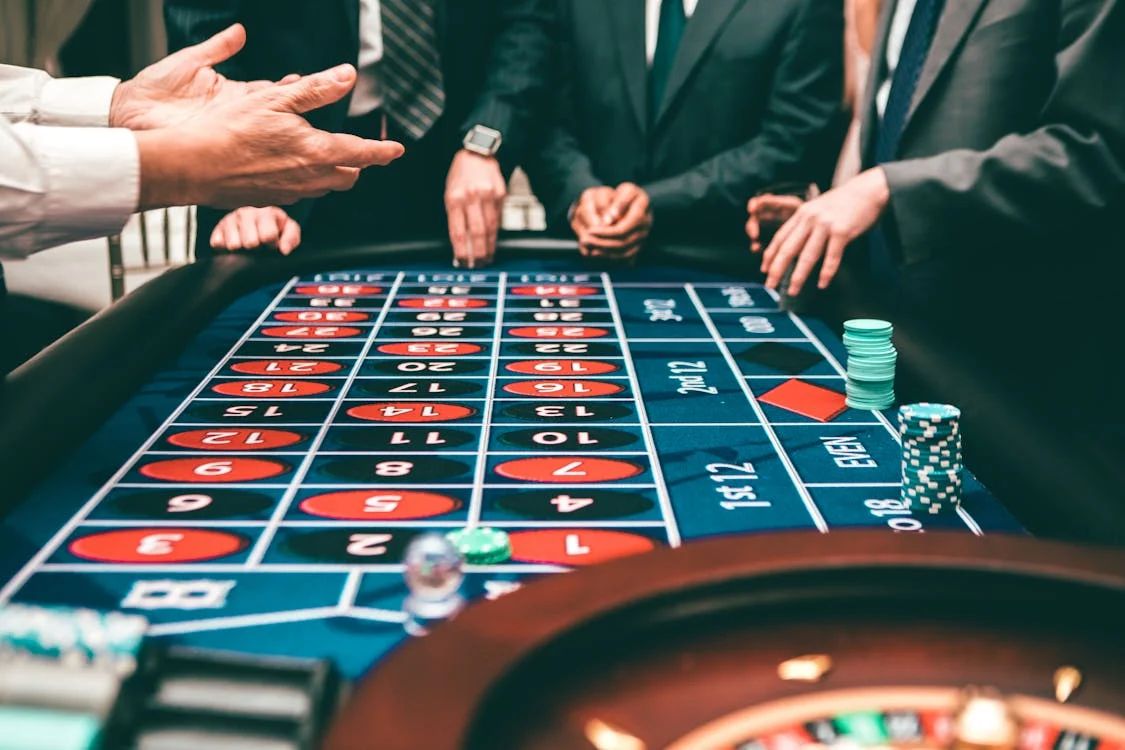
Moreover, the competitive nature of certain games like poker adds another layer to the social aspect of casinos. Players often find themselves in direct competition with others, fueling a spirit of rivalry that can be exhilarating. This social competition can lead to increased stakes, as individuals seek to prove their skill or superiority over others. This psychological desire to win, not just financially but socially, drives players back to the tables time and time again. The thrill of competing against others can be as motivating as the potential for monetary gain.
Casinos also utilize social proof to influence behavior, showcasing winners and celebrating jackpot claims to cultivate a sense of possibility and excitement. When players see others winning, it reinforces the belief that they, too, could achieve similar success, further enticing them to participate. This social reinforcement plays a crucial role in the psychology of gambling, making players more susceptible to engaging in risky behavior when they are surrounded by a cheering crowd. The presence of others can amplify the emotional highs and lows of gambling, making the experience more memorable.
Understanding Responsible Gambling
As the allure of casino games continues to capture the imagination of many, understanding the psychology behind these activities can guide players toward responsible gambling. Recognizing the mental traps and cognitive biases can empower individuals to make informed decisions about their gaming habits. By being aware of emotional triggers and the thrill of risk, players can set limits for themselves, ensuring that gambling remains a source of entertainment rather than a harmful activity. Awareness of these psychological influences is the first step toward healthier gambling practices.
Responsible gambling initiatives from casinos and organizations promote awareness and education about the psychological factors at play. These programs encourage players to adopt strategies that safeguard against excessive gambling, such as setting time limits, budgeting for entertainment expenses, and seeking help if gambling starts to interfere with daily life. Understanding and acknowledging the psychological aspects of gambling can lead to healthier habits and prevent potential compulsive behaviors. In this way, players can enjoy the thrill without falling into detrimental patterns.
Ultimately, fostering a culture of responsible gambling involves collaboration between players, casinos, and support organizations. By creating an environment that prioritizes player well-being while still providing entertainment, the gambling industry can mitigate the negative consequences that sometimes accompany the thrill of casino games. Awareness, education, and proactive measures are essential in promoting a balanced relationship with gambling. By encouraging responsible play, the industry can support players in making choices that enhance their enjoyment while minimizing risks.
Voltar